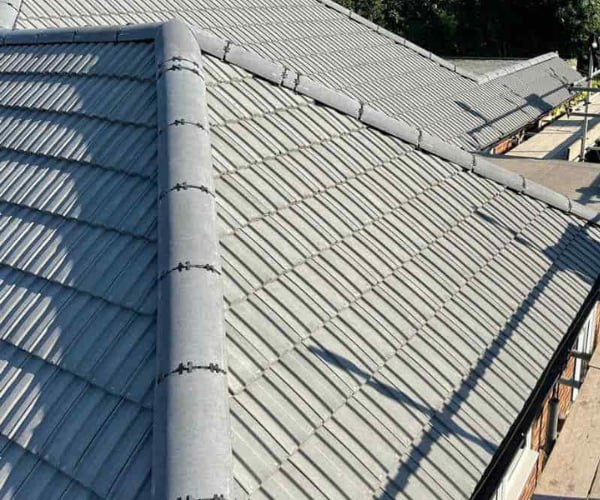
Tiled Roof Repairs: Causes of Cracks and Slippage
Tiled roofs are a familiar and reliable feature on many properties in Stainforth, South Yorkshire. Designed to withstand the British climate, they offer long-term protection when properly installed and maintained. However, even well-constructed tiled roofs can develop problems over time. Cracked or slipped tiles are among the most common issues and, if left unaddressed, can lead to more serious damage to the roof structure beneath.
At EDS Roofing Stainforth, we regularly carry out tiled roof repairs where early signs of failure have been missed or misunderstood. Knowing what causes these problems helps property owners take timely action.
Natural Ageing and Weather Exposure
Roof tiles are constantly exposed to the elements. Over years of service, repeated cycles of rain, frost, wind and temperature changes gradually weaken the material. In colder conditions, moisture absorbed by tiles can freeze and expand, creating fine cracks that worsen with each freeze-thaw cycle.
Strong winds, which are not uncommon in open areas around Stainforth, can also place pressure on tiles. As fixings and underlay age, tiles may begin to loosen and slip out of position, especially along ridges and edges.
Movement Within the Roof Structure
All buildings experience a degree of natural movement over time. Timber roof structures can expand and contract with changes in temperature and humidity. When this movement is repeated year after year, it can place stress on tiles and fixings.
This subtle shifting may cause tiles to crack or gradually slide from their original alignment. Slippage often occurs in sections rather than isolated tiles, making it an early warning sign that the roof needs professional attention.
Fixing Failures and Deterioration
Many tiled roofs rely on nails, clips or mechanical fixings to keep tiles securely in place. As these fixings age, they can corrode or weaken, particularly if moisture penetrates the roof covering. Once fixings fail, tiles are no longer held firmly and can begin to slip, especially during periods of high wind.
In some cases, earlier repairs carried out without proper techniques can also contribute to fixing problems, leading to uneven stress across the roof.
Impact Damage and External Forces
Cracked tiles are sometimes the result of direct impact. Falling branches, debris blown onto the roof, or foot traffic during previous work can all cause damage. While a single cracked tile may seem minor, it can allow water to reach the underlying layers of the roof.
Over time, this moisture can affect adjacent tiles and battens, increasing the likelihood of further cracking or slippage.
Why Prompt Repairs Matter
Cracked or slipped tiles compromise the roof’s ability to shed water effectively. Even small gaps can allow moisture to enter, leading to damp patches, timber decay and heat loss. Early repair of tiled roof issues helps maintain the integrity of the entire roofing system and reduces the risk of more extensive work becoming necessary.
Professional roof inspections identify both visible damage and underlying causes, ensuring repairs address the problem rather than just the symptom.
Conclusion
Cracks and slippage in tiled roofs are often caused by a combination of ageing materials, weather exposure, structural movement and fixing deterioration. These issues can develop gradually and may not always be obvious from ground level. Recognising the causes allows homeowners to act before minor defects escalate into more serious concerns.
If your tiled roof is showing signs of movement or damage, EDS Roofing Stainforth provides reliable roof repair services tailored to properties in Stainforth, South Yorkshire. Timely, professional repairs help preserve the strength and performance of your roof, keeping your property well protected for the years ahead.
Call us on: 01302 490 393
Click here to find out more about EDS Roofing Stainforth
Click here to complete our contact form and see how we can help with your roofing needs.