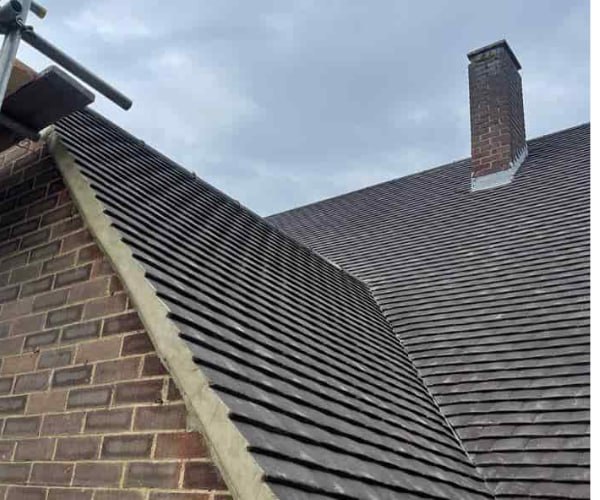
Why Roof Tiles Become Loose or Slipped and When to Arrange Repairs
Roof tiles play an essential role in protecting your property from rain, wind and other weather conditions. When tiles become loose, cracked or slip out of position, they can leave vulnerable areas exposed and increase the risk of water entering the roof structure. Although a single displaced tile may seem like a minor issue, leaving it unattended can lead to further damage over time.
For homeowners in Stainforth, South Yorkshire, understanding why roof tiles move and recognising when repairs are needed can help maintain the condition of the roof. Early attention from a professional roofer can identify the underlying cause and help prevent a localised defect from becoming a more extensive problem.
What Causes Roof Tiles to Become Loose or Slip?
Roof tiles are designed to remain securely positioned, but several factors can affect their stability. Identifying the cause is important because simply putting a tile back in place may not resolve the problem if the surrounding roof components have also deteriorated.
Strong Winds and Severe Weather
Strong winds can place pressure on roof coverings, particularly along roof edges, ridges and exposed sections. If a tile is already loose or its fixing has weakened, gusts may lift it or push it out of alignment.
Heavy rain can also reveal weaknesses around displaced tiles and other vulnerable roof areas. Following severe weather, look for visible gaps, uneven rows of tiles or pieces of roofing material on the ground.
If you suspect storm damage, avoid climbing onto the roof. A professional inspection can establish which tiles have moved and whether neighbouring areas have also been affected.
Deteriorating Tile Fixings
Roof tiles may be secured using nails, clips or other fixing systems, depending on the roof’s design and age. Over time, fixings can corrode, loosen or fail, allowing individual tiles to move.
When this happens, a tile may gradually slip down the roof slope or become unstable in windy conditions. The surrounding tiles may also be affected if the original fixing problem extends across a wider section.
A roofer can inspect the affected area and determine whether the problem requires replacement fixings, new tiles or more extensive repairs.
Ageing Roof Materials
Roof coverings are exposed to the elements throughout the year. As a roof ages, tiles may crack, break or become more vulnerable to movement. Mortar used to secure ridge tiles or other components can also deteriorate, leaving sections less stable.
Age alone does not necessarily mean that a roof needs replacing. However, repeated problems with loose tiles or widespread deterioration may indicate that the roof requires a more thorough assessment.
Regular inspections can help identify changes in the condition of the roof before they lead to leaks or other damage.
Problems with Roof Battens
Roof battens provide support for tiles and help keep them correctly positioned. If battens deteriorate or become damaged by prolonged moisture exposure, their ability to support the tiles may be reduced.
In some cases, the visible symptom is a tile that repeatedly slips despite previous repairs. This can indicate that the underlying support needs attention rather than the tile alone.
A professional roofer can investigate the affected section and establish whether the battens, underlay or other supporting components require repair.
Warning Signs That Your Roof Tiles Need Attention
Loose tiles are not always easy to spot, particularly on larger or steeply pitched roofs. However, there are several signs that may indicate a problem.
Look for:
- Uneven rows of tiles or visible gaps in the roof covering.
- Cracked, broken or missing tiles.
- Pieces of tile or roofing material on the ground after windy weather.
- Water stains on ceilings or upper walls.
- Damp patches or musty smells in the loft.
- Repeated leaks in the same area, particularly after rainfall.
Water entering through a displaced tile may travel along roof timbers before becoming visible inside the property. As a result, the location of a damp patch does not always identify the exact point where water is getting in.
If you notice any of these warning signs, arrange a professional inspection rather than waiting for the problem to become more obvious.
When Should You Arrange Roof Tile Repairs?
Repairs should be arranged as soon as you identify missing, cracked or noticeably displaced tiles. Even if there is no visible leak, an opening in the roof covering can expose the underlying materials to rain and wind.
Prompt attention is especially important if water is entering the property, tiles have fallen from the roof or a section appears unstable. If a tile looks as though it could fall, keep people away from the area directly below it until the roof has been assessed.
Avoid attempting to reposition tiles yourself. Roofs can be slippery and unstable, and disturbing surrounding tiles may cause further damage. A qualified roofing professional can access the affected area safely and recommend suitable repairs.
How Professional Roof Repairs Help Prevent Further Damage
Effective roof repairs involve more than replacing a visible damaged tile. The roofer needs to establish why the tile moved in the first place and check whether nearby tiles, fixings or supporting materials have been affected.
Depending on the findings, the work may involve replacing broken tiles, securing loose ones, renewing failed fixings or repairing damaged battens. If deterioration is widespread, a more comprehensive assessment may be necessary.
Addressing the underlying cause helps reduce the likelihood of the same problem recurring. It can also help protect the roof structure, insulation and internal finishes from moisture damage.
For homeowners in Stainforth, South Yorkshire, periodic roof inspections and prompt repairs are practical ways to maintain a roof’s condition throughout the year.
Roof Tile Repairs in Stainforth, South Yorkshire
If you have noticed slipped tiles, missing sections or signs of a roof leak, EDS Roofing Stainforth can help identify the problem and assess the repairs required.
Whether the issue has developed gradually or followed strong winds, it is important to establish the cause before deciding on the most appropriate solution. Careful inspection and suitable repairs can help restore the roof covering and protect your property from the elements.
Contact EDS Roofing Stainforth to discuss your concerns and arrange a professional roof inspection in Stainforth, South Yorkshire.
Conclusion
Roof tiles can become loose or slip because of strong winds, deteriorating fixings, ageing materials or damage to the supporting battens. Although the initial problem may appear small, displaced tiles can expose the roof to water ingress and further deterioration.
Recognising the warning signs and arranging repairs promptly can help prevent more extensive damage. If you suspect that your roof tiles have moved or become damaged, EDS Roofing Stainforth can assess the condition of your roof and recommend suitable repairs to keep your property protected.
Call us on: 01302 490 393
Click here to find out more about EDS Roofing Stainforth
Click here to complete our contact form and see how we can help with your roofing needs.